get in touch

CADE is formed to promote dairy and agriculture sector and provide a platform to the enthusiasts who are willing to pursue their interest in these sectors.
Contact Us
- Call Us: +91 9671817307
- Email: info@cadedairyindia.com
- Regd. Office: B – 95, First Floor, Preet Vihar, Delhi-110092

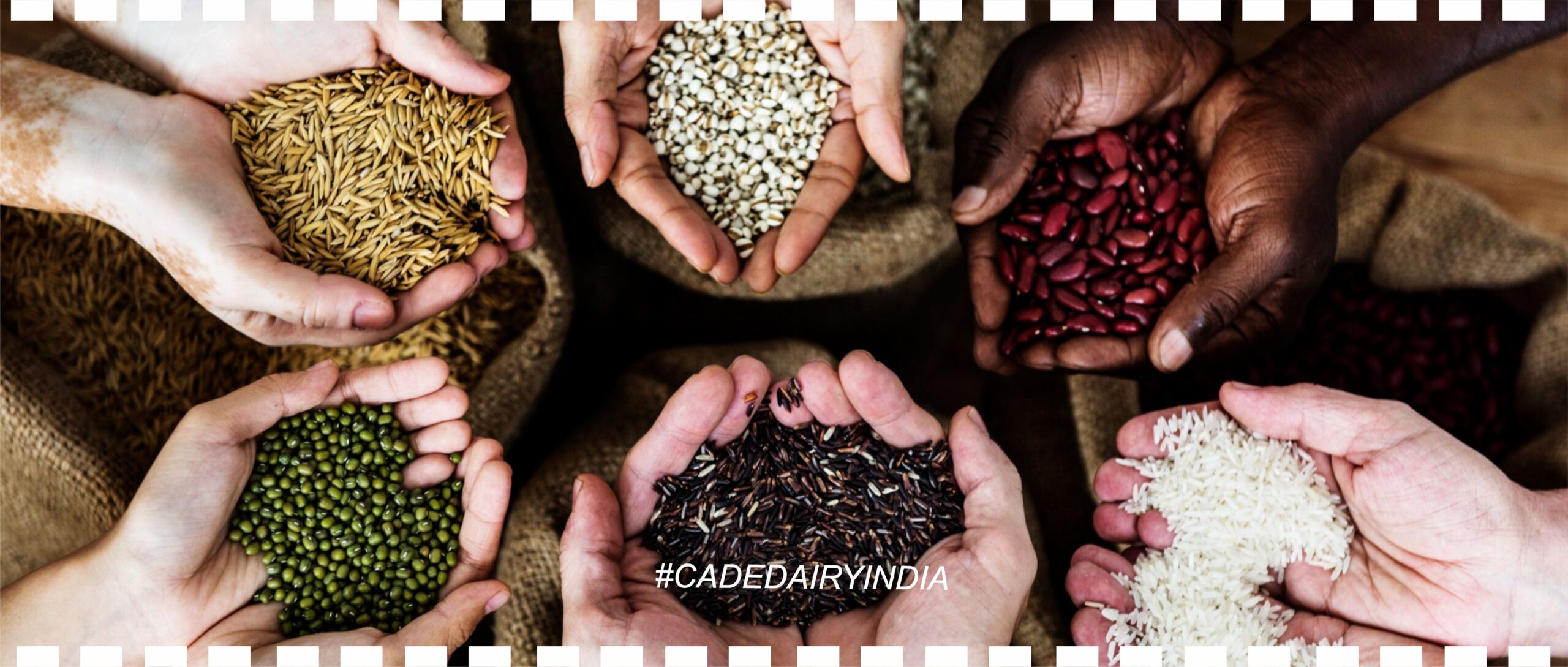
Seed Banking
The seed banking process involves collecting, cleaning, drying, and freezing seeds to ensure long-term viability and preserve genetic diversity for future restoration. Key steps include removing moisture (reducing to 3–7%) to prevent decay, storing in airtight containers at or lower, and routine viability testing.
Key Stages in the Seed Banking Process:
Collection: Seeds are gathered from mature, high-quality, and diverse plants to ensure genetic variation.
Cleaning: Impurities, debris, and damaged seeds are removed.
Drying: Seeds are dried in a controlled environment to a low moisture content (typically 3–7%) to prevent mold and ensure they can withstand freezing.
Storage: Dried seeds are sealed in airtight containers and stored in freezers, often at Some, like recalcitrant seeds, may require special handling.
Testing and Monitoring: Regular germination tests are conducted to monitor seed viability over time.
Regeneration: When viability drops, seeds are grown and new seeds are collected to replenish the bank. This process is critical for protecting endangered species, facilitating research, and supporting ecosystem restoration.