get in touch

CADE is formed to promote dairy and agriculture sector and provide a platform to the enthusiasts who are willing to pursue their interest in these sectors.
Contact Us
- Call Us: +91 9671817307
- Email: info@cadedairyindia.com
- Regd. Office: B – 95, First Floor, Preet Vihar, Delhi-110092

Agriculture
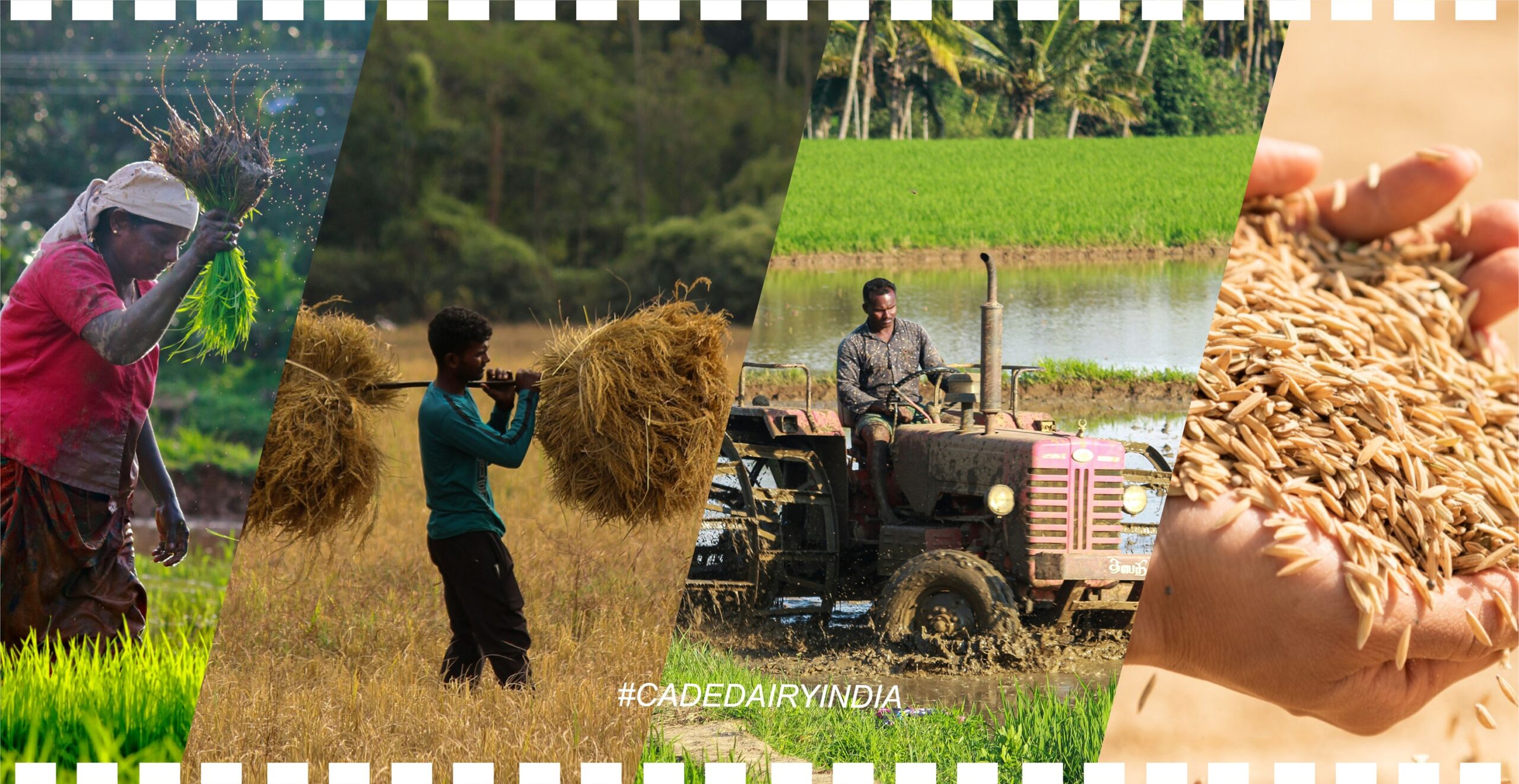
Agriculture is the science and practice of cultivating soil, growing crops, and raising livestock to provide food, fibre, and raw materials. It includes various methods like subsistence, commercial, and plantation farming to meet global food demands. Modern agriculture utilizes technology for soil management, irrigation, and pest control to enhance productivity.
Key Aspects of Agriculture Farming·
Definition & Scope:
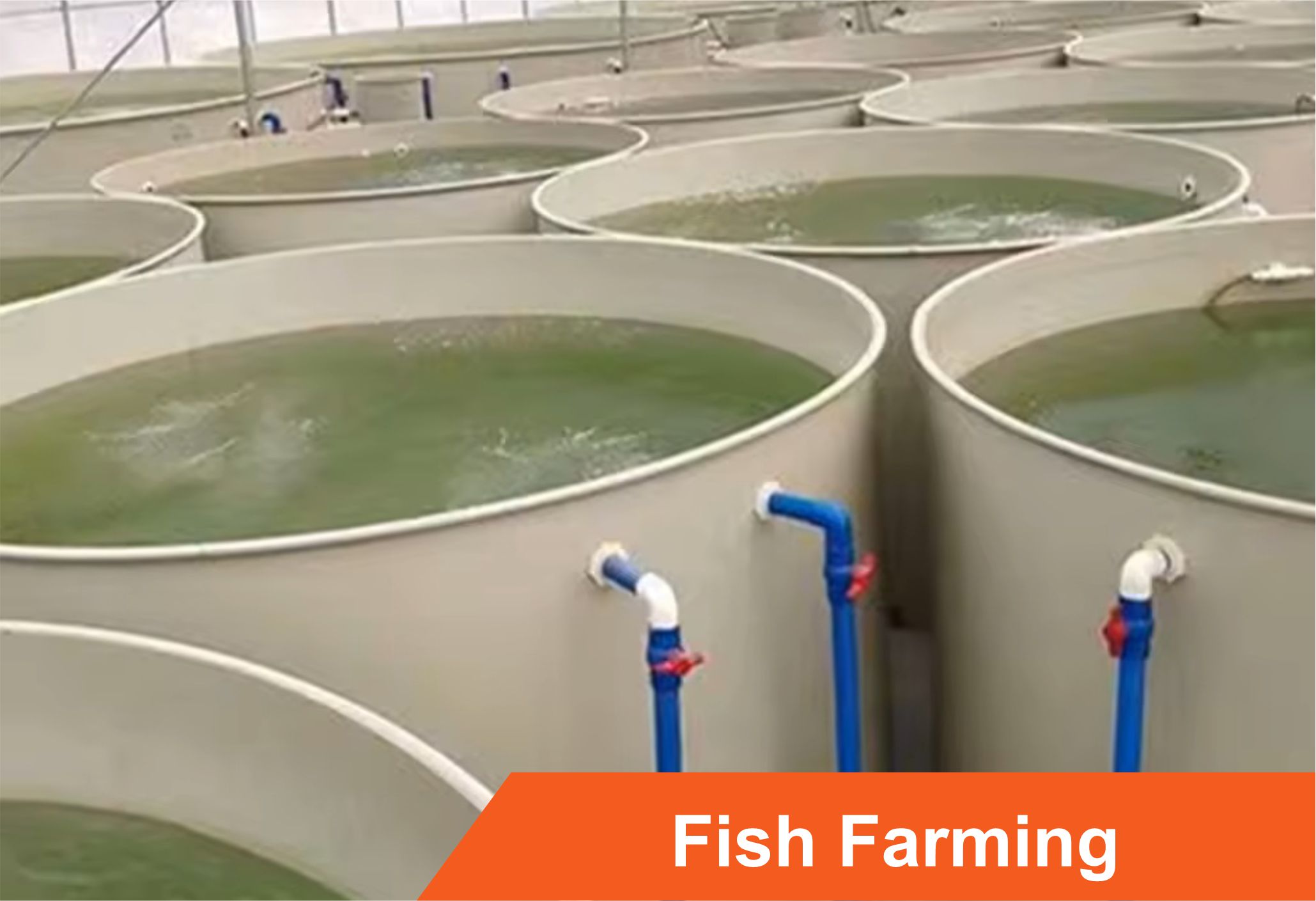
Agriculture encompasses farming, forestry, and aquaculture, serving as the foundation of human civilization and providing food security.
Types of Farming:
o Subsistence Farming: Small-scale, for family consumption.
o Commercial Farming: Large-scale, for-profit cultivation.
o Plantation Agriculture: Large estates focusing on a single cash crop (e.g., tea, coffee).
o Intensive Farming: High inputs of labor/capital to maximize yield.
o Extensive Farming: Low inputs over large areas.
o Mixed Farming: Combining crops and livestock.
Key Agricultural Practices: The 7 essential steps include land preparation, seed selection, sowing, irrigation, nutrient management, pest control, and harvesting.
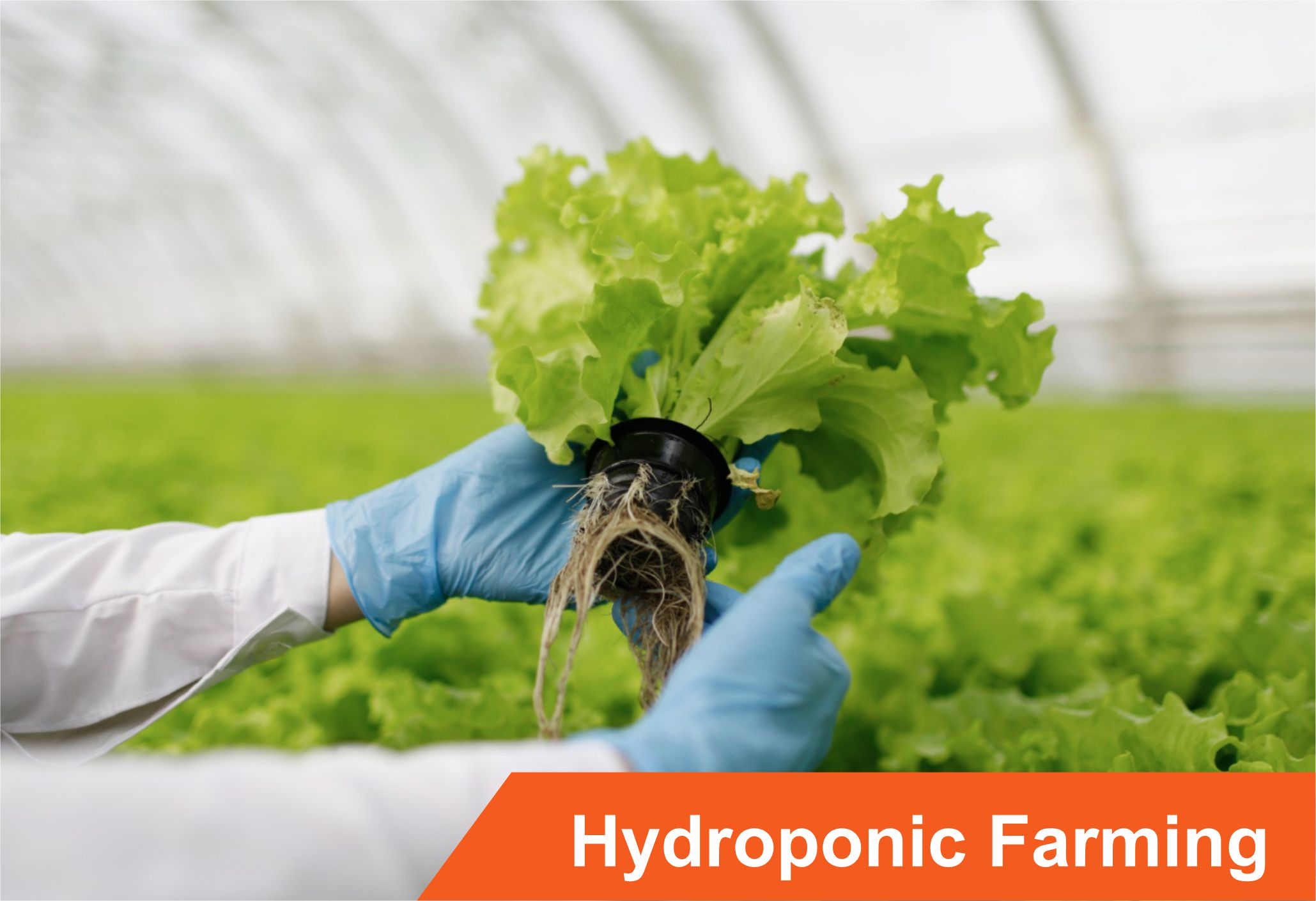
Modern Trends: The industry is moving towards sustainable methods, precision farming, and technology-driven approaches like hydroponics, vertical farming, and drones for monitoring crops.
Importance: Agriculture is a major economic driver, providing livelihoods for over 50% of the population in nations like India.
Challenges in Agriculture·
Climate Change: Unpredictable weather impacts crop yields.
Resource Management: Ensuring sustainable water usage and soil health.
Economic Factors: Fluctuating market prices and high input costs.