get in touch

CADE is formed to promote dairy and agriculture sector and provide a platform to the enthusiasts who are willing to pursue their interest in these sectors.
Contact Us
- Call Us: +91 9671817307
- Email: info@cadedairyindia.com
- Regd. Office: B – 95, First Floor, Preet Vihar, Delhi-110092

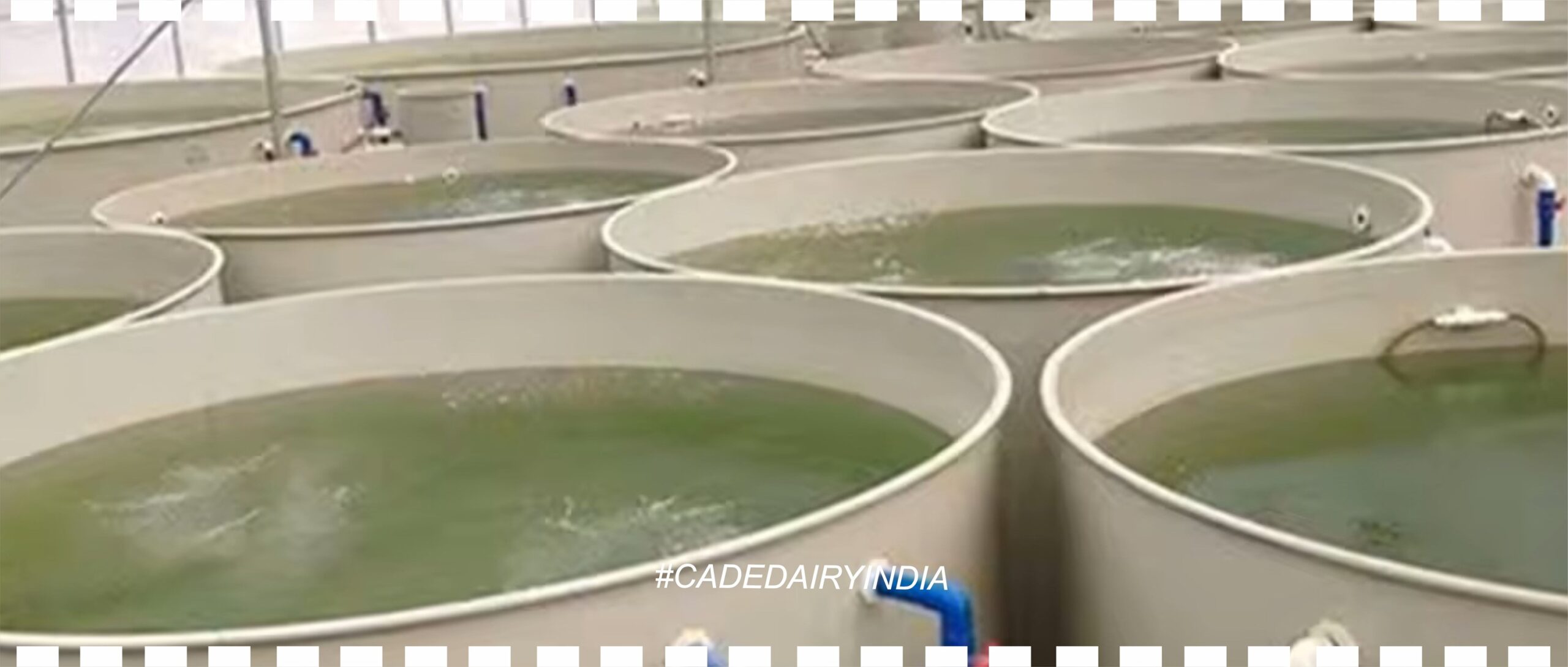
Fish Farming
Fish farming, or aquaculture, involves raising fish in controlled environments like tanks or ponds for commercial purposes, providing a sustainable food source. Key methods include freshwater pond culture, marine cages, and recirculating aquaculture systems (RAS). Successful operations require careful water quality management (pH 5–7), proper feeding, and proper species selection.
Essential Components of Fish Farming
Systems: Recirculating Aquaculture Systems (RAS) (continuously filters and reuses water in tanks), Pond Farming (traditional outdoor ponds), and Cage Culture (in existing water bodies).
Species: Common species include Tilapia, Catfish, Carp, and Shrimp.
Water Quality: Crucial factors include pH balance (5–7), temperature, and oxygen levels, which require regular monitoring.
Feeding: Proper nutrition, including formulated feeds, is vital. Some systems, like RAS, can improve efficiency.
Advantages of Fish Farming·
Sustainability: Reduces pressure on wild fish stocks.
Food Security: Provides a consistent, reliable source of protein.
Economic Growth: Offers high profitability, particularly in regions with high fish consumption, such as India.
Scalability: Modern systems allow for expansion from small setups to large-scale industrial operations.
Steps to Start a Fish Farm
1. Market Research: Understand local demand and identify target species.
2. Plan System: Choose between tanks (easier to manage, space-efficient) or ponds.
3. Water Management: Secure a consistent water source and plan for filtration.
4. Stocking: Begin with healthy, high-quality fingerlings (ideally around 10g to reduce growth time).
5. Management: Maintain consistent feeding schedules, monitor water quality, and manage waste, according to the techniques.
Key Considerations
Cost: While tanks are efficient, the setup cost for RAS can be high compared to traditional ponds.
Technology: Technologies like Recirculating Aquaculture Systems (RAS) are increasingly used to optimize water quality and, in some cases, and according to this article from ScienceDirect.com, ROVs are used in offshore farming.
Location: Access to water and transport is critical for farming operations.