get in touch

CADE is formed to promote dairy and agriculture sector and provide a platform to the enthusiasts who are willing to pursue their interest in these sectors.
Contact Us
- Call Us: +91 9671817307
- Email: info@cadedairyindia.com
- Regd. Office: B – 95, First Floor, Preet Vihar, Delhi-110092

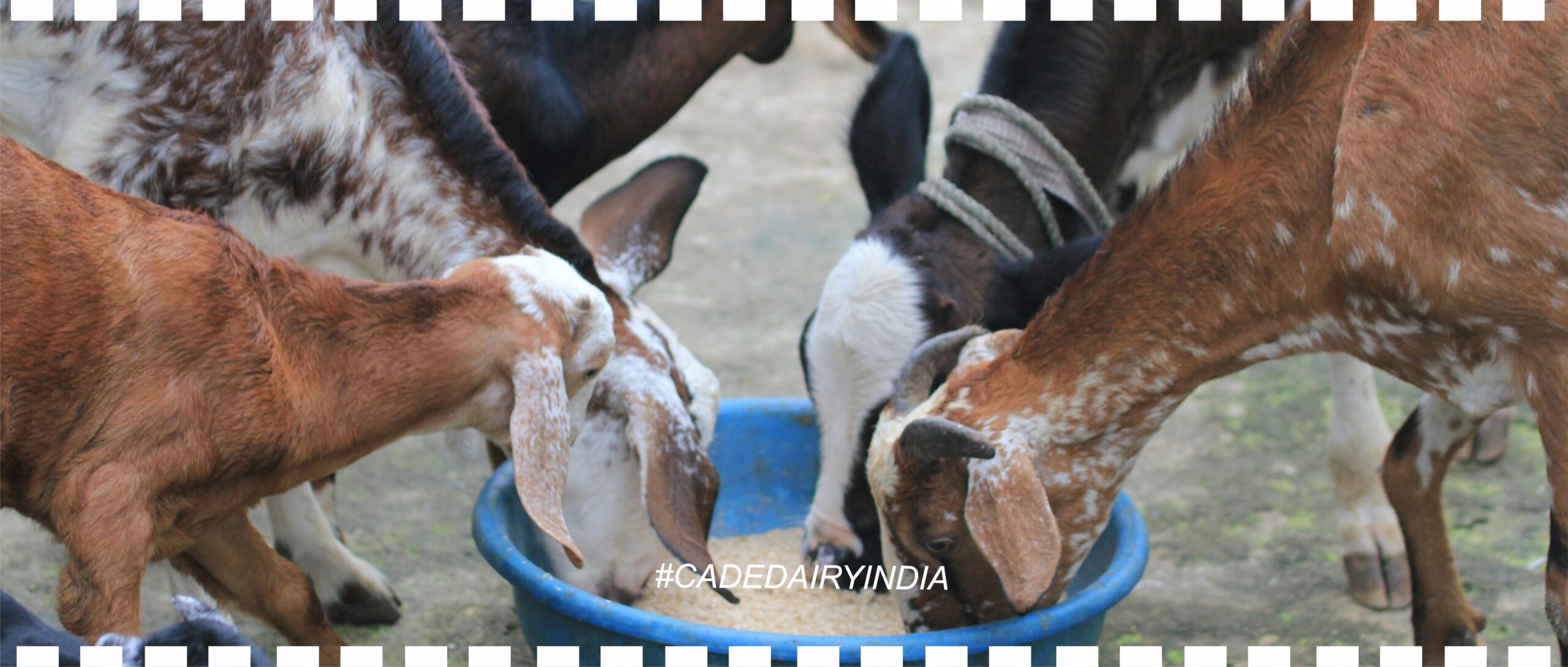
Goat Farming
Goat farming is a profitable, low-investment livestock business aimed at producing meat, milk, or skins. Success relies on well-ventilated, elevated housing to prevent disease, a strategic breeding plan, and proper nutrition.
Key Aspects of Goat Farming
Housing & Shelter: Construct elevated (slatted floor) houses to protect goats from dampness, predators, and heat. This design allows waste to fall through, reducing ammonia build-up and disease risks.·
Breeding Management: Use a high-quality buck to improve herd genetics. A ratio of one buck to 20-25 does is recommended. Keep breeding bucks separate to ensure organized mating.
Feeding & Nutrition: Goats are browsers, not grazers, and need a mix of shrubs, grasses, and fodder. Ensure a consistent water supply. Regular feeding of cultivated fodder helps in faster growth.
Breeds Selection: Choose breeds suitable for your market and region (e.g., Boer or savanna for meat, Jamunapari for milk).
Health & Hygiene: Implement a strict vaccination and deworming schedule. Regular cleaning of the shed, spraying for ticks, and removing waste is critical to avoid parasites.
Steps to Start
1. Market Research: Understand local demand for meat, milk, or breeding stock.
2. Land Selection: Choose a location with good drainage and access to grazing/water.
3. Start Small: Begin with a manageable number of goats to learn husbandry practices, and then expand.
4. Vaccination: Purchase vaccinated animals and keeps new, sickly, or young ones in a separate quarantine area to prevent disease transmission.